
In today’s fast-paced business landscape, data-driven decision-making is essential for sustainable growth and competitive advantage. Enterprise Resource Planning (ERP) systems play a pivotal role in collecting, analyzing, and transforming data into actionable insights. From optimizing operations to identifying new market opportunities, ERP systems enable organizations to make informed decisions that drive strategic outcomes. In this comprehensive article, we’ll explore how businesses can leverage ERP systems to unlock erp strategic insights, maximize efficiency, and achieve long-term success.
Centralized Data Management:
One of the primary functions of an ERP system is to centralize data from various departments and processes within an organization. By consolidating data into a single, unified platform, ERP systems provide a holistic view of business operations, enabling decision-makers to access accurate and up-to-date information in real-time. This centralized data management approach eliminates data silos and enhances data integrity, laying the foundation for strategic analysis and decision-making.
Real-Time Reporting and Analytics:
ERP systems offer robust reporting and analytics capabilities that empower organizations to extract valuable insights from their data. With built-in reporting tools and customizable dashboards, decision-makers can visualize key performance indicators (KPIs), monitor business metrics, and track progress towards strategic goals in real-time. Advanced analytics features, such as predictive modeling and data mining, enable organizations to uncover trends, patterns, and correlations within their data, facilitating proactive decision-making and strategic planning.
Enhanced Operational Efficiency:
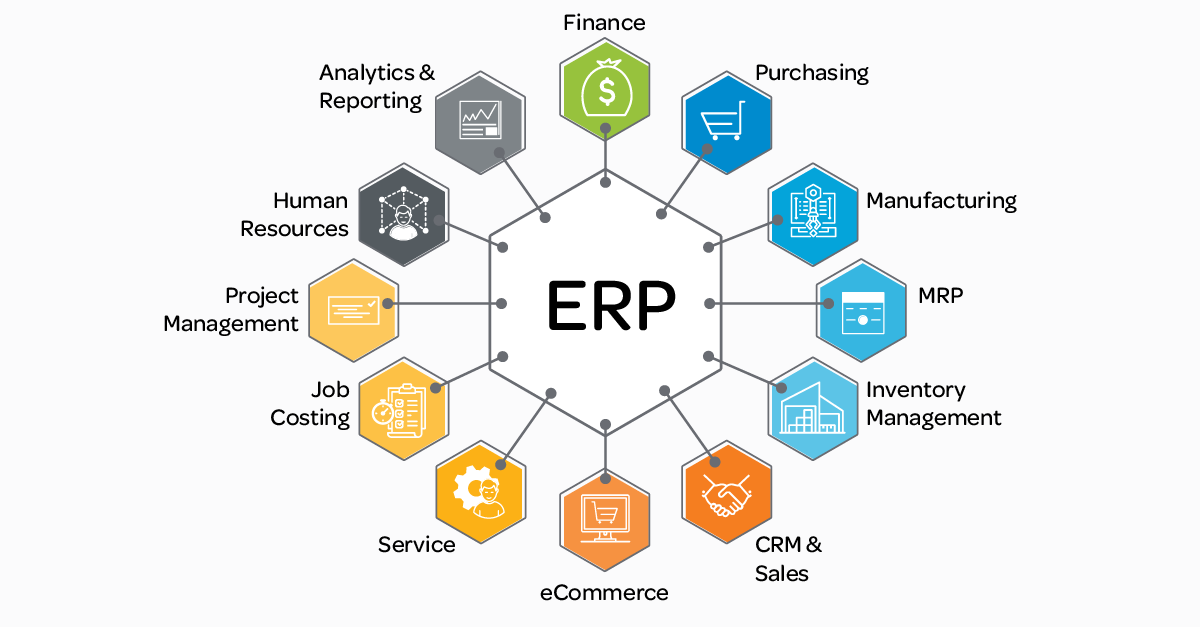
By streamlining business processes and automating routine tasks, ERP systems improve operational efficiency and productivity across the organization. With integrated modules for finance, supply chain management, human resources, and more, ERP systems enable seamless data flow and collaboration between departments, reducing manual effort and minimizing errors. This increased efficiency not only drives cost savings but also frees up resources for strategic initiatives and innovation, positioning organizations for long-term success.
Strategic Resource Allocation:
ERP systems provide valuable insights into resource utilization, enabling organizations to allocate resources strategically and optimize performance. By analyzing data on resource utilization, capacity, and demand, decision-makers can identify areas of inefficiency or underutilization and reallocate resources accordingly. Whether it’s optimizing production schedules, managing inventory levels, or allocating workforce resources, ERP systems facilitate informed decision-making that maximizes ROI and drives sustainable growth.
Agility and Adaptability:
In today’s dynamic business environment, agility and adaptability are critical for maintaining a competitive edge. ERP systems enable organizations to respond quickly to changing market conditions, customer preferences, and industry trends by providing real-time visibility into business operations and performance. With agile decision-making capabilities supported by ERP systems, organizations can capitalize on emerging opportunities, mitigate risks, and adapt their strategies to evolving business landscapes, ensuring long-term viability and resilience.
Conclusion:
From data management to strategic analysis, ERP systems play a vital role in empowering organizations to transform raw data into actionable insights that drive strategic decisions. By centralizing data, enabling real-time reporting and analytics, enhancing operational efficiency, facilitating strategic resource allocation, and promoting agility and adaptability, ERP systems empower organizations to achieve their strategic objectives and stay ahead of the competition in today’s dynamic business environment. As organizations continue to embrace digital transformation, ERP systems will remain indispensable tools for unlocking strategic insights and driving long-term success.
 admin
admin