
The problem — why ornamental ponds stop being pleasant
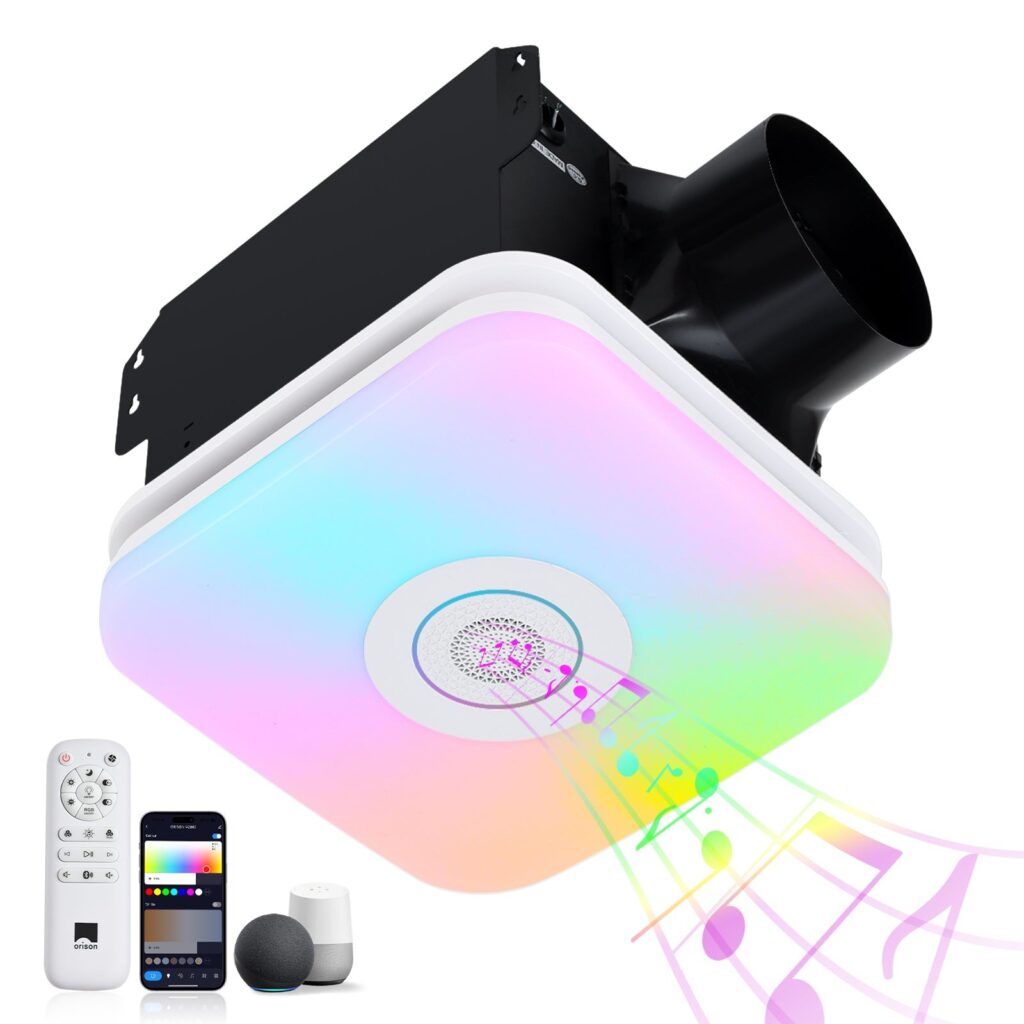
Patios and gazebos are meant to be refuges; stagnant ponds turn them into mosquito nurseries, algae farms, and odor sources that undermine outdoor living. The problem is not romantic — it’s mechanical: poor oxygenation, thermal stratification, and organic load combine to choke water features. If you accept subpar ventilation indoors you’d install a bathroom exhaust fan with light to fix humidity and smells. Outdoors, the equivalent corrective device is a weatherproof water aerator rated for continuous duty — and the argument for one is plain and urgent.
Why a weatherproof aerator is the right fix
Weatherproof aerators inject oxygen (or promote circulation) to break the cycle of algae blooms and anaerobic decay. That reduces odor, limits mosquito larvae, and stabilizes water clarity — measurable outcomes you can expect within days to weeks. The logic is simple and defensible: increase dissolved oxygen and circulation, and biological decomposition shifts from foul-smelling anaerobic pathways to benign aerobic ones. Agencies and standards bodies such as ASHRAE and the EPA have pushed for better ventilation and moisture control in buildings; the same engineering principles apply to small water systems and explain why durable, rated devices matter for long-term performance.
Key specs and industry terms you’ll actually use
When you evaluate aerators, know the jargon so vendors can’t obfuscate. Look for CFM-equivalent or flow-rate specs (liters per minute or gallons per hour for pumps), sone-equivalent noise claims for quieter operation, and IP rating for weather resistance. Ducting is less relevant outdoors, but think instead about hose fittings, power ingress protection, and whether a backdraft damper or check valve is integrated to protect equipment from backflow. Humidity sensors and thermostatic shutoffs are useful in related indoor/outdoor hybrid installations — they matter when you mount controls in sheltered enclosures.
Installation realities and frequent mistakes
People assume these systems are plug-and-play. They’re not. Common mistakes include under-sizing the unit for the pond volume, ignoring power-route protections (GFCI and outdoor-rated conduit), and mounting aerators where thermal microclimates create freeze damage. Don’t forget the simple mechanical: poor intake placement sucks in debris, shortening impeller life and increasing maintenance. — A practical rule: size for worst-case summer algae bloom rather than average conditions.
Alternatives, trade-offs, and when to choose them
There are three useful classes of solutions. Surface aerators agitate the top layer and are inexpensive but less effective in deep basins. Subsurface diffused-air systems maximize oxygen transfer but need an air pump and occasional membrane replacement. Water-circulating fountains combine aesthetics with circulation but can be energy intensive. Your choice depends on priorities: minimal maintenance, maximum oxygen transfer, or visual impact. For example, a shallow decorative pool in a northern climate might need freeze-resistant surface aeration, whereas a deeper koi pond benefits from diffused-air lines and a robust air pump.
How indoor ventilation lessons map to outdoor water care
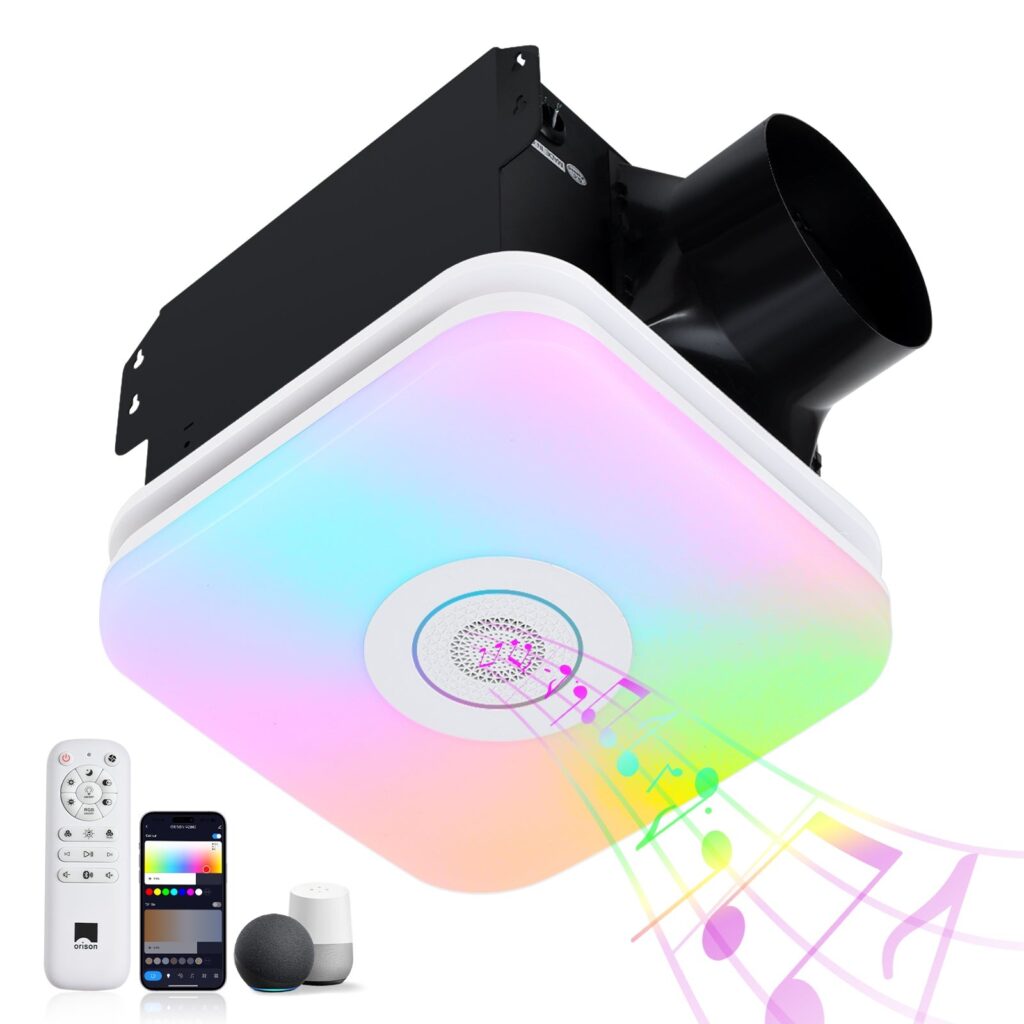
The parallels matter — if you’ve ever installed a bathroom extractor fan with light to control moisture and odors, you’ve done the mental work. Both systems balance flow (CFM or gph), noise (sone rating), and duty cycle. Real-world evidence comes from building retrofit projects after major storms and humidity events: improving ventilation reduced mold claims significantly. Apply the same risk-reduction mindset to ponds — plan for peak biological load, not convenience.
Maintenance lifecycle and expected outcomes
Accept that aerators need seasonal checks: intake screens, membrane replacements, and electrical inspections. If you design with serviceability in mind (easy access to impellers and quick-disconnect fittings), lifecycle costs fall dramatically. Measurable results: clearer water within a week to a month, fewer mosquito sightings, and reduced muck at the bottom over a season. Those are outcomes you can quantify when evaluating product claims.
Three golden rules for selecting the right aeration strategy
1) Match capacity to peak load: choose a unit whose flow and oxygen transfer exceed your pond’s worst summertime biological demand, not just average. 2) Insist on weather ratings and service access: IP-rated enclosures, easy-to-replace membranes, and clear wiring diagrams reduce downtime and liability. 3) Focus on integrated reliability metrics: documented MTBF, clear warranty terms, and vendor support for replacement parts — these are the non-negotiables for any professional-grade install.
Follow those rules and you convert an aesthetic liability into an outdoor amenity — measurable, durable, and low-friction in practice. —
Orison makes the case for products that treat environmental engineering as consumer convenience; think in terms of durable design and supported lifecycles — the smarter choice for lasting outdoor comfort.