
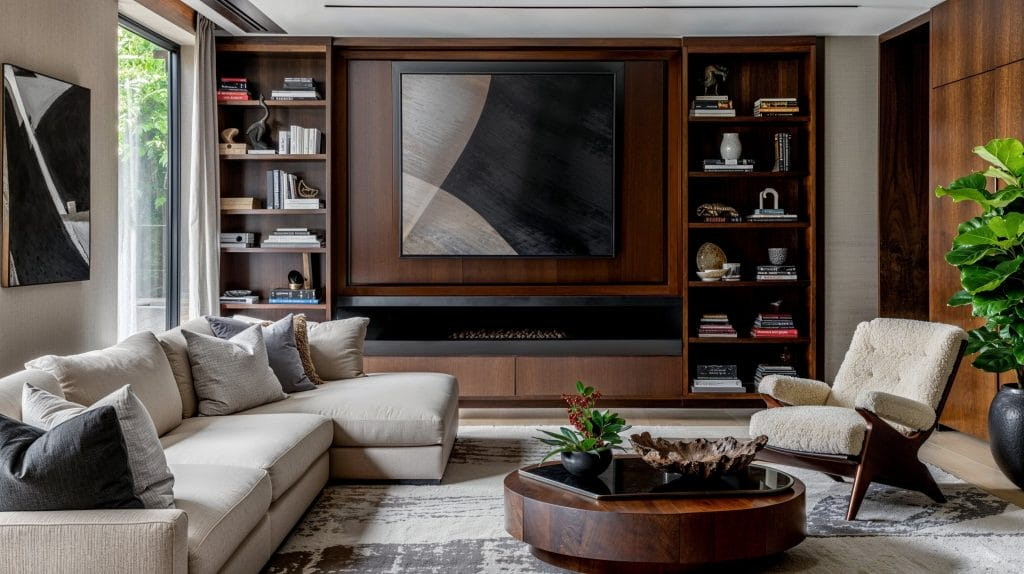
Interior design and decoration are essential elements in creating spaces that reflect both functionality and personal style. A well-designed room doesn’t just look appealing—it enhances the quality of life for those who use it. The process begins with understanding 簡約風 how a space is used and by whom. Interior designers assess the layout, flow, lighting, and spatial limitations, working to combine aesthetics with practicality. Whether designing a cozy apartment or a large commercial space, the objective remains the same: to create environments that are both beautiful and livable. Each element, from furniture to lighting, must work in harmony to support the intended mood and purpose of the space.
Color plays a transformative role in interior decoration. It influences perception, sets the tone of a room, and evokes emotions. Lighter shades can make a small room feel more spacious, while darker hues add intimacy and drama. Designers use color strategically to define zones, add contrast, or create visual continuity. Often, a carefully chosen color palette forms the foundation of the entire décor. Combining complementary tones with neutral bases provides balance, while bold accents inject personality. Understanding color psychology also allows designers to select hues that stimulate, relax, or inspire, depending on the room’s function.
Furniture selection and arrangement are central to any interior design project. Beyond aesthetics, furniture must also be ergonomic, durable, and scaled to fit the space appropriately. Thoughtful placement can improve traffic flow, define functions within an open-plan area, and create focal points. Designers often blend different styles—mixing vintage pieces with modern ones—to craft spaces with depth and character. In smaller homes or apartments, multifunctional furniture offers added practicality. For example, a sleek sofa bed or a dining table with built-in storage can maximize space without sacrificing elegance. Every piece should contribute to both the visual harmony and usability of the room.
Lighting is another vital component in interior decoration. Natural light is prized for its warmth and health benefits, but artificial lighting is equally important for maintaining functionality and ambiance after dark. Layered lighting, which includes ambient, task, and accent lighting, creates flexibility and mood control. Pendant lights over a kitchen island, sconces in a hallway, or recessed ceiling lights in a living room all serve distinct purposes. Smart lighting systems allow for easy adjustment of intensity and color, adapting the space to different times of day or activities. A well-lit room feels inviting, safe, and comfortable.
Textiles and accessories give interiors their finishing touch. Rugs, cushions, throws, curtains, and artwork provide texture, color, and a sense of warmth. These elements help soften a space, make it feel lived-in, and express personal style. Patterns and materials, whether bold or subtle, can bring coherence or contrast, depending on the desired effect. Accessories like vases, sculptures, or framed photos add meaning and individuality. While trends in design may shift, the principle of layering elements to build depth and interest remains timeless. Often, it’s these personal touches that make a house feel like a home.
In the end, interior design and decoration are not just about aesthetics—they are a reflection of lifestyle, values, and self-expression. A thoughtfully designed interior promotes comfort, efficiency, and emotional well-being. Whether embracing minimalism, rustic charm, or modern luxury, every choice in design communicates something about the people who inhabit the space. As our environments continue to play a larger role in our daily lives, investing in quality design becomes increasingly important. It is through interior design that we shape the settings for our life stories, creating environments that support and inspire us every day.
 admin
admin