
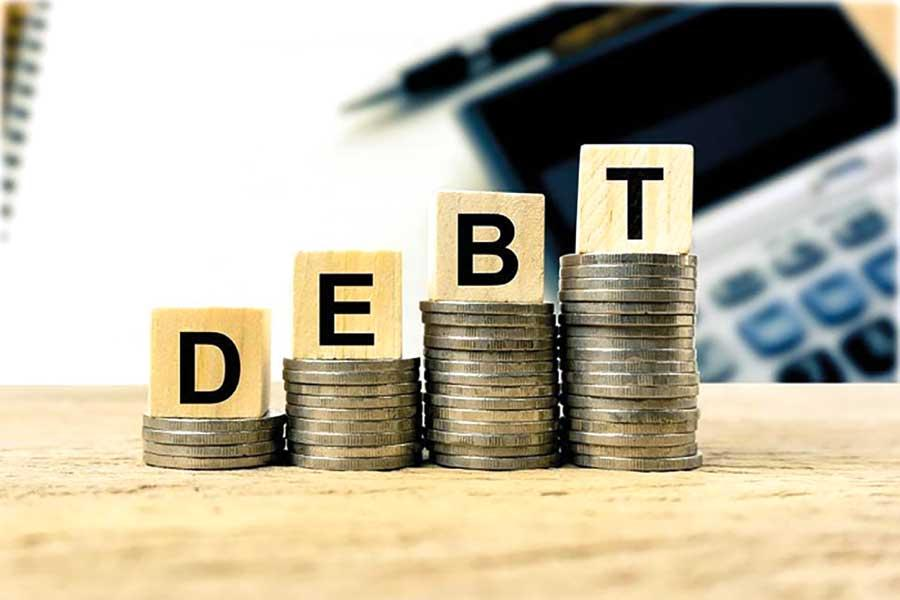
Debt restructuring is a crucial financial strategy that offers relief to individuals, corporations, and even governments burdened by overwhelming debt. Thi iva 個人自願安排 s process involves altering the terms of existing debt agreements to achieve more manageable repayment conditions. Restructuring can include extending payment timelines, reducing interest rates, or even negotiating a partial forgiveness of the debt. For businesses, debt restructuring is often a preferred alternative to bankruptcy as it provides a lifeline to continue operations while addressing financial obligations. For individuals, it can mean regaining control over personal finances without enduring the long-term consequences of default or bankruptcy. Governments may also restructure sovereign debt to ensure economic stability and retain investor confidence. At its core, debt restructuring is about finding a compromise between debtor and creditor to reach a mutually beneficial solution.
There are several types of debt restructuring, each tailored to the unique circumstances of the debtor. One common method is debt rescheduling, where repayment periods are extended to reduce the burden of immediate payments. Another approach is debt refinancing, which involves replacing existing debt with new debt under more favorable terms. In some cases, creditors may agree to a debt-for-equity swap, particularly in corporate settings, where a portion of the debt is converted into company shares. This can alleviate financial strain while giving creditors a stake in the company’s future success. In sovereign debt scenarios, restructuring might also involve multilateral negotiations and external financial assistance. The choice of restructuring strategy depends heavily on the nature of the debt, the financial condition of the debtor, and the willingness of creditors to negotiate.
Debt restructuring plays a significant role during economic downturns or in periods of financial distress. During such times, businesses may face cash flow issues, and individuals may struggle with job loss or decreased income, making regular debt servicing unsustainable. In these scenarios, restructuring allows for breathing room and helps avoid the drastic consequences of default. Creditors often prefer restructuring over pursuing legal action or forcing bankruptcy, as it increases the chances of recovering their investment, albeit over a longer timeframe or at reduced returns. The process can also benefit the broader economy by preventing large-scale insolvencies that could trigger systemic risks. However, successful restructuring requires transparency, cooperation, and a realistic assessment of what the debtor can afford.
The process of debt restructuring typically begins with a comprehensive analysis of the debtor’s financial position. This involves evaluating income, expenses, assets, liabilities, and future cash flow projections. Once this groundwork is established, the debtor approaches creditors with a restructuring proposal. Creditors then review the proposal and may enter negotiations to adjust terms that better align with both parties’ interests. Legal and financial advisors often play a key role during this stage to ensure compliance with regulatory standards and to mediate discussions. After terms are agreed upon, the new debt arrangement is formalized and put into effect. It is crucial during this phase for the debtor to adhere strictly to the revised terms, as failure to comply can result in legal consequences or loss of future negotiation credibility.
While debt restructuring provides many advantages, it also carries certain risks and challenges. From a debtor’s perspective, the process may impact credit ratings and future borrowing capacity. Creditors, on the other hand, must often accept reduced returns or delayed payments, which can affect their financial planning. Additionally, restructuring does not address the root causes of debt accumulation; therefore, debtors must also implement long-term financial discipline and possibly revise operational or spending habits. In some cases, particularly with sovereign or corporate restructuring, the process can become politically or socially contentious, especially when public funds or employee interests are involved. For this reason, debt restructuring should be part of a broader financial recovery or sustainability strategy.
In conclusion, debt restructuring is a valuable financial tool that offers a second chance to debtors facing economic hardship. Whether at the personal, corporate, or national level, it facilitates continued operations, preserves relationships with creditors, and helps avoid more severe financial outcomes like bankruptcy or default. The process demands careful planning, transparency, and responsible behavior from all parties involved. When executed effectively, debt restructuring not only restores financial stability but also lays the foundation for future growth and resilience. As economic conditions remain uncertain and financial systems evolve, understanding and utilizing debt restructuring strategies will continue to be a critical component of sound financial management.
 admin